Entryway fix
How to stop shoes piling up in a small entryway
A small-entryway storage guide for shoes, bags, keys, and daily grab-and-go items when there is no mudroom.
Short answer
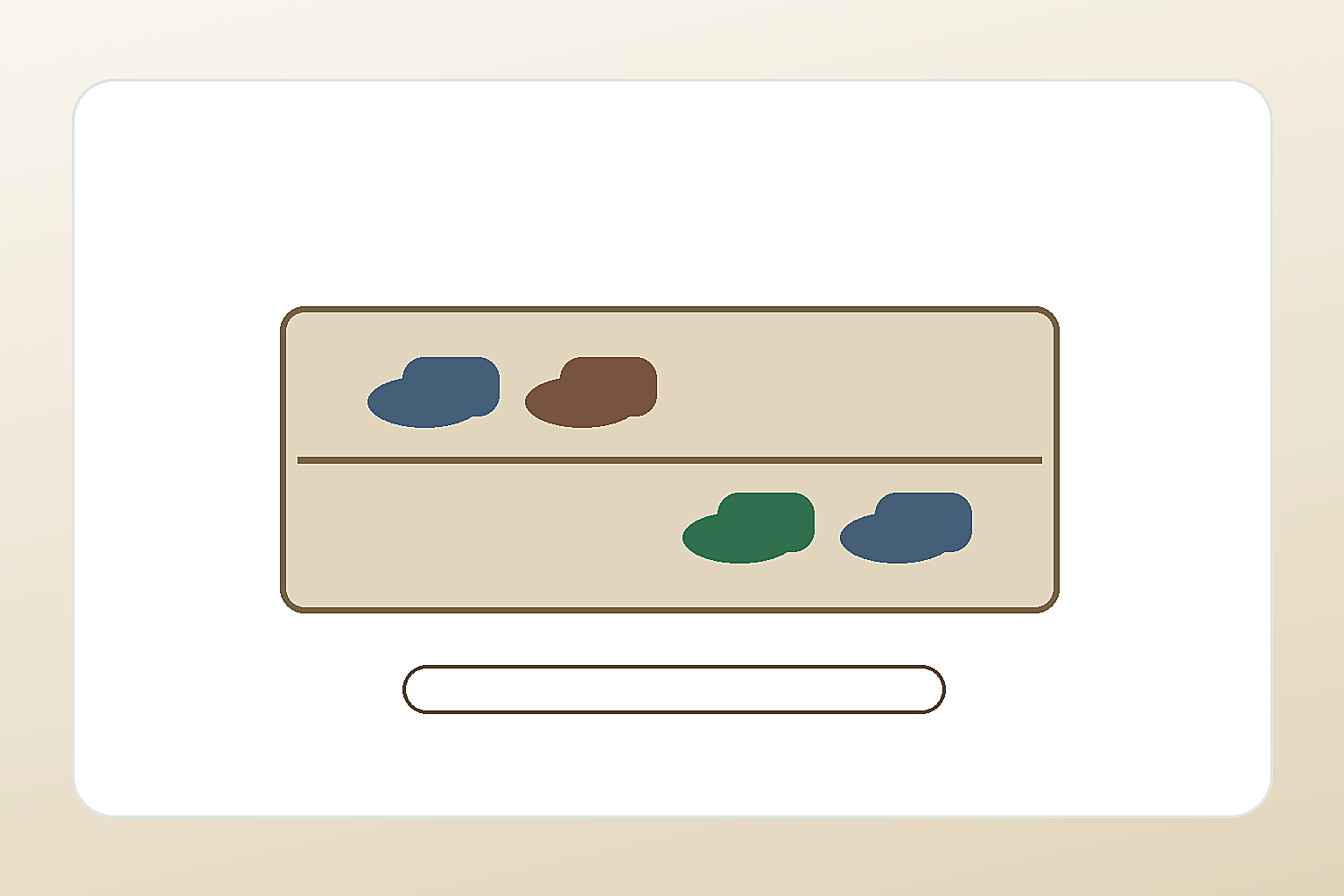
Give each person one visible shoe slot, move extra pairs away from the door, and add a small hook or tray for keys and bags. The entryway should hold today items, not the whole shoe collection.
- Limit each person to one slot
- Move backup pairs away
- Add a key and bag landing zone
Quick comparison
| Daily shoes | Open shoe rack | Fastest reset after coming home |
|---|---|---|
| Keys and small items | Wall hooks or tray | Stops pocket clutter |
| Seasonal shoes | Labeled bin | Belongs away from the door |
Popular buying questions
Start with a household problem, then compare the products and stores that fit.
Current verified deals · Buying guides · Compare shopping options
-
Command Large Utility Hooks Value Pack, 6 Hooks
Product guide · Target and Walmart tie for the lowest verified price at $9.63.
No verified picks today
None of the matching products passed our current price and exact-product checks. Use the fit guidance above and check back after the next store refresh.
The entryway is not storage for everything
Small entryways work when they hold only the current rotation. Extra shoes should move to a closet, under-bed bin, or bedroom shelf.
Open storage beats hidden storage
Closed boxes look clean for photos but are slower in real life. Open slots are easier for daily shoes that come off at the door.
Add a small non-shoe landing zone
Shoes are often only half the mess. Add one hook or tray for keys, leash, umbrellas, or bags so those items do not land on the floor.
Related buying guides
Common questions
How many shoes should stay by the door?
One daily pair per person is a good starting limit for a small entryway.
Is a shoe bench better than a rack?
A bench is better if you need a seat. A rack is usually cheaper and takes less depth.
Where should seasonal shoes go?
Seasonal and rarely used shoes should move away from the entryway into a labeled bin or closet zone.